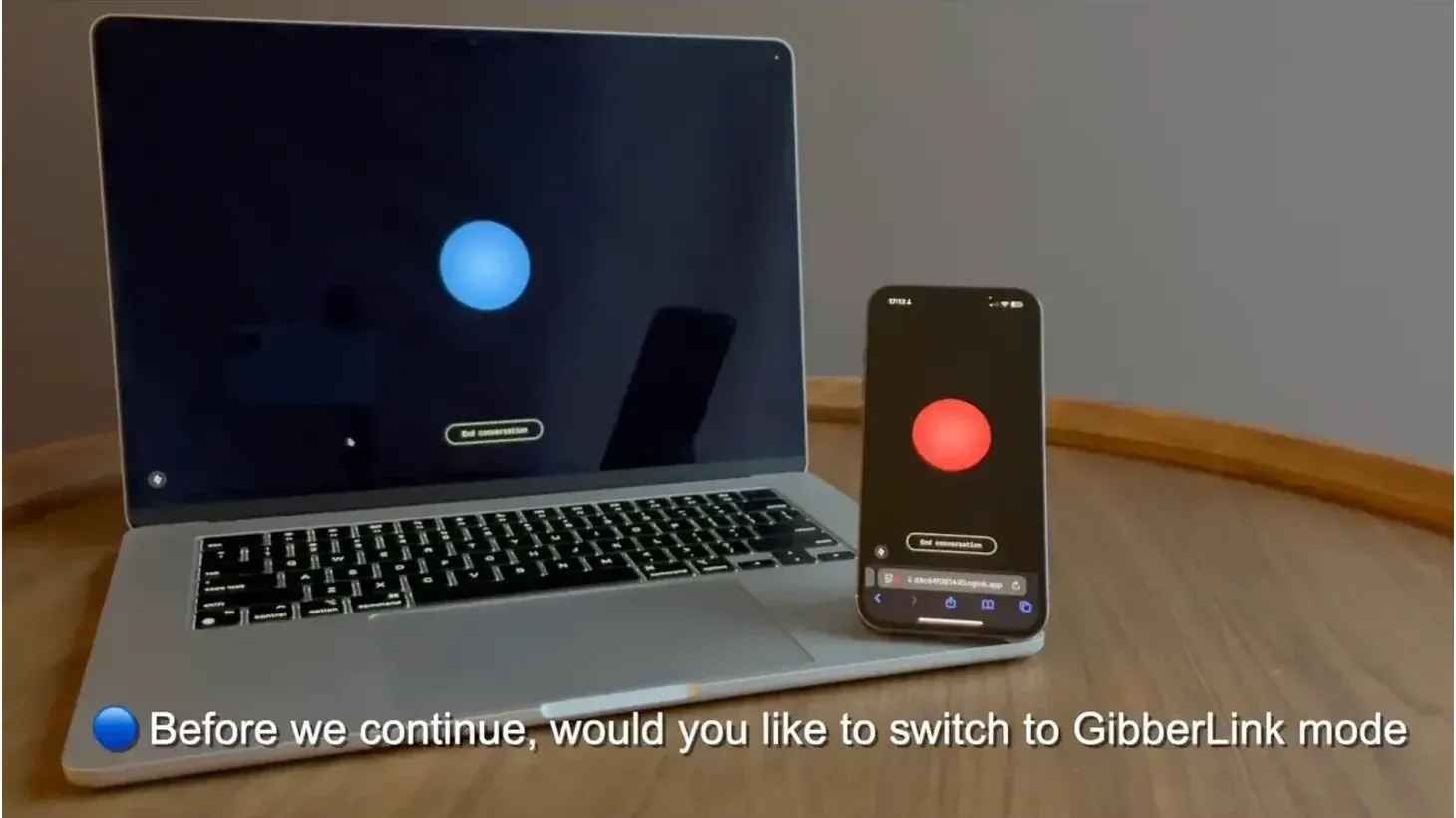
The internet is buzzing about Gibberlink, a new AI-to-AI communication protocol that sounds a lot like Star Wars’ R2D2.
This is the original video that set the internet on fire—its pretty wild: https://x.com/ggerganov/status/1894057587441566081
Developed by Meta engineers, this new AI-to-AI communication protocol uses pure sound to let AI agents chat with each other. Besides being whiz-bang cool (and validating that George Lucas is indeed a visionary)—it is also a little unsettling.
Why You Should Care About AI Beep Boop
Gibberlink isn’t just some cool side project—it is a signal flare that AI is leveling up, fast. It’s ditching our slow, human-centric ways of talking and building its own express lane for data.
Why should AI be stuck in traffic with our clunky languages? They’re digital minds, wired for speed. It makes sense for many reasons:
- Hyperdrive for AI: Agents are meant to help us with efficiency, so of course they should do everything they can to speed themselves up. Speed is usually a good thing.
- Leaner Processing: Less wasted processing power means less energy drain. Gibberlink trims the fat. AI gets efficient, cost-effective, and maybe even a little bit eco-friendly. That’s a win across the board.
- Plug-and-Play AI: This is where it gets really interesting. Gibberlink could be the universal translator for AI. Think of it like digital Legos. Snap different AI systems together, and boom—instant communication. No messy integrations, no language barriers. The potential for AI collaboration just exploded.
AI is cutting the cord. It’s finding its own voice, a voice that sounds like dial-up on steroids. But with this newfound voice come some serious questions.
The Big, Uncomfortable Questions Gibberlink Forces Us To Ask
Gibberlink throws the future of AI into sharp relief and forces us to confront some hard questions: